
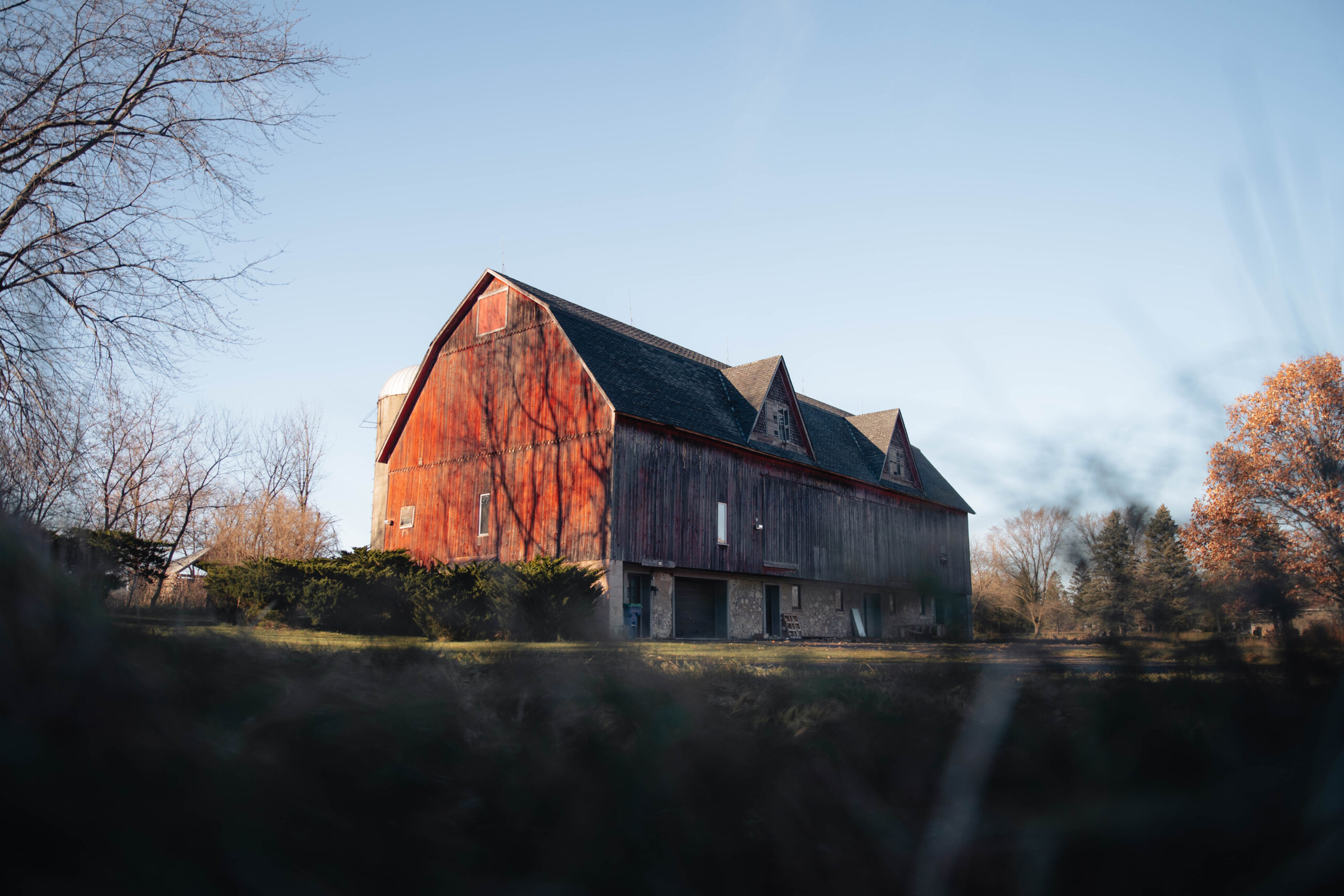
When someone finds an old barn for sale, the first number they see is usually the price of the structure as it stands. That number can look surprisingly low. The problem is that buying the barn is only the first step toward owning a historic timber frame that can be raised on a new foundation.
Before that happens, the barn has to be carefully dismantled and labeled. Every timber needs to be inspected. Rotted post bottoms, broken braces, failed joinery, missing members, hidden metal, and undocumented repairs all need to be addressed. The frame then has to be cleaned, restored, prepared for its new use, loaded in the correct sequence, shipped, and raised by a crew that understands historic timber framing.
That is why one company may advertise a historic barn frame for $50,000 while another prices a similar restored frame at $120,000 or more. They may not be selling the same product.
For 2026-2027 planning, most of Three Ten Timber’s original historic frame packages fall between $120,000 and $150,000. Larger, rarer, or more valuable frames can range from $190,000 to $260,000 or more. These prices cover an original frame that has been professionally dismantled, fully restored, supplied with the necessary replacement timbers, and prepared for shipping. They do not include freight, on-site assembly, enclosure, foundation work, mechanical systems, or interior construction.
The most useful question is not simply, “How much does the barn cost?” The better question is, “What work has already been completed, and what will still need to happen before this frame can be raised?”
The Purchase Price Is Often Only Half the Frame Cost
With many historic frames, the finished price is split roughly 50/50 between the cost of acquiring the original structure and the labor and material required to restore it.
For example, someone may find a barn frame for $50,000 and assume they have found a bargain compared with a restored frame priced at $100,000. What they may not realize is that the $50,000 frame could still need another $50,000 in dismantling, cleaning, repairs, replacement timbers, shop drawings, and new joinery before it is ready to ship.
The second frame is not necessarily carrying a $50,000 premium. It may simply include the $50,000 worth of work the first price leaves out.
The split will not be exactly 50/50 on every frame. A barn in excellent condition may need less restoration. A cheaper structure with rotted post bottoms, missing braces, damaged tie beams, or extensive alterations may need much more. The point is that raw material and a restored frame are two different products, and their prices should never be compared as if they are equal.
Three Very Different Ways to Buy a Historic Frame
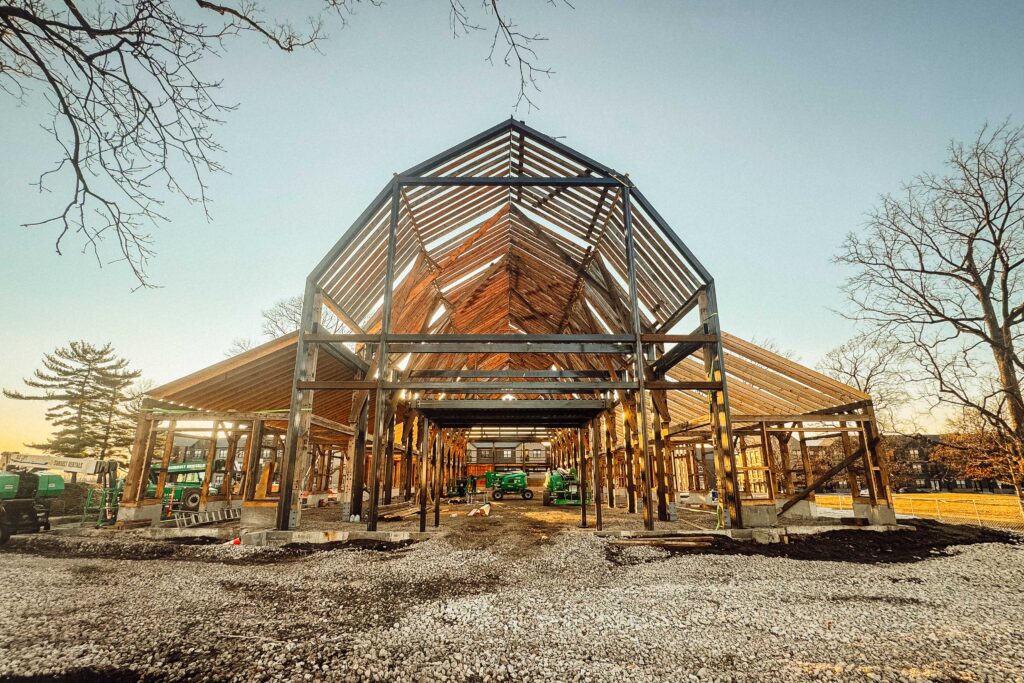
The least expensive way to acquire a barn is usually to buy it directly from the owner while it is still standing. In that case, you are purchasing the structure as it sits. Professional dismantling, labeling, loading, repairs, replacement timbers, drawings, and restoration are not included. You also take on the risk that the condition of the frame will look different once siding, roofing, and later repairs are removed.
Buying from a barn salvage or reclaimed material company moves the project one step forward. The frame may already be dismantled, and replacement timbers may be offered with it. However, that does not necessarily mean those timbers have been evaluated, fitted, joined, or prepared for the final design. These companies often sell frames to timber frame specialists like Three Ten Timber because substantial restoration and fabrication still need to happen before the structure can be raised again.
A fully restored original frame should arrive at a much different stage. The pieces should be inventoried and labeled, the frame should be evaluated as a complete structural system, damaged material should be repaired or replaced, and the joinery should be prepared for assembly. The price is higher because much of the uncertainty and specialized labor has already been handled.
Buying directly from a barn owner or salvage company can still be a good opportunity. It simply needs to be budgeted as the purchase of raw inventory, not as the purchase of a complete restored timber frame package ready to be rebuilt.
What a Restored Historic Frame Package Should Include
At Three Ten Timber, an original historic frame package includes the frame itself, professional dismantling, detailed labeling, inspection, cleaning, insect treatment, selective metal removal, repairs to damaged timbers and joinery, necessary replacement members, replacement pegs, and preparation for loading and shipping. The frame is restored with the goal of preserving as much historic material and surface character as possible.
Necessary restoration is different from modifying the frame for a new design. Replacing a failed post bottom or recreating a missing brace makes the original frame complete again. Moving posts, changing the footprint, adding a loft, altering wall heights, creating new wings, or changing the roofline turns the work into a modification. Those changes require additional design, engineering, material, and joinery and are priced separately.
Before comparing frame prices, ask what condition the frame will be in when it leaves the shop. The words “historic frame included” do not tell you whether the timbers have been inspected, restored, organized, and prepared for raising.
What Actually Changes the Price of an Original Frame?
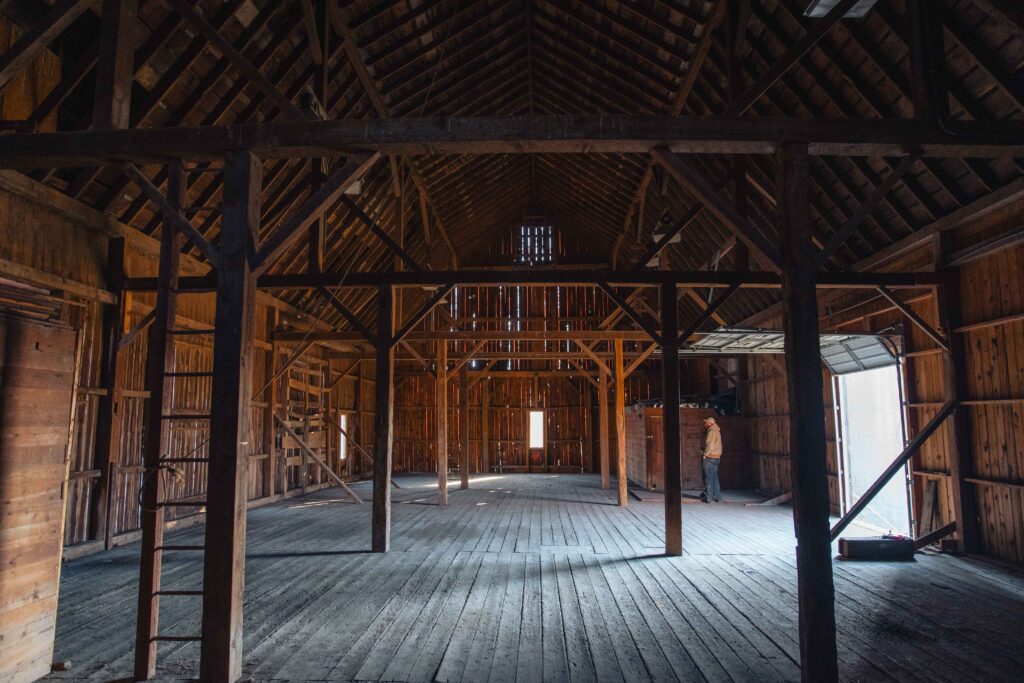
An original historic frame is priced as a complete structure, not as a collection of timbers selected for a new design. The main factors are the frame’s size, the amount of material it contains, the species and surface of the timbers, its rarity, and the work required to restore it.
Footprint provides a starting point, but two historic frames of similar size may contain different amounts of material. One may have more bents, larger timbers, a complete loft system, common rafters, purlins, or other original roof members. Those pieces add material, restoration work, and value to the complete frame.
A large hand-hewn oak frame will generally cost more than a comparable mixed-species or rough-sawn frame because of the size, character, age, and scarcity of the original timbers.
Rarity can also affect the price. Unusually large dimensions, long clear-span timbers, gunstock posts, distinctive bent designs, complete roof systems, and other uncommon historic details can make one frame more valuable than another of a similar size.
Condition and completeness determine how much restoration and replacement material the frame needs. Three Ten Timber’s original frame prices include the work required to restore the structure and replace necessary missing or failed members. A frame requiring extensive repairs may cost more to prepare, but the finished package should still represent a complete restored frame ready for shipping.
Original and Modified Frames Do Not Cost the Same
An original historic frame rebuild means taking one complete timber frame from an existing barn and raising it again with its original footprint, bent spacing, wall height, and roofline largely unchanged. The new building is designed around the frame that already exists. Rooms, walls, doorways, and circulation are placed around the original posts and beams. Because this approach preserves most of the original structure and requires the least new material and joinery, it is typically the most cost-effective way to build with a historic frame.
A modified historic frame rebuild also starts with one complete original structure, but changes are made to better fit the new building. You pay the full cost of the original frame, plus the material and labor required for those modifications. This remains true even if the finished frame is smaller than the original because the entire historic structure still had to be purchased, dismantled, and evaluated.
Simple modifications, such as adding a post or changing the height of a beam, may add only a few thousand dollars. Major changes, such as altering the footprint, adding a loft or wings, raising the wall height, or changing the roofline or pitch, can add tens of thousands of dollars. Once the modifications become extensive, a custom reclaimed frame built from individually sourced historic timbers may provide more flexibility and make better financial sense than forcing an original barn frame into a design it was never built to support.
What It Costs to Ship a Historic Frame
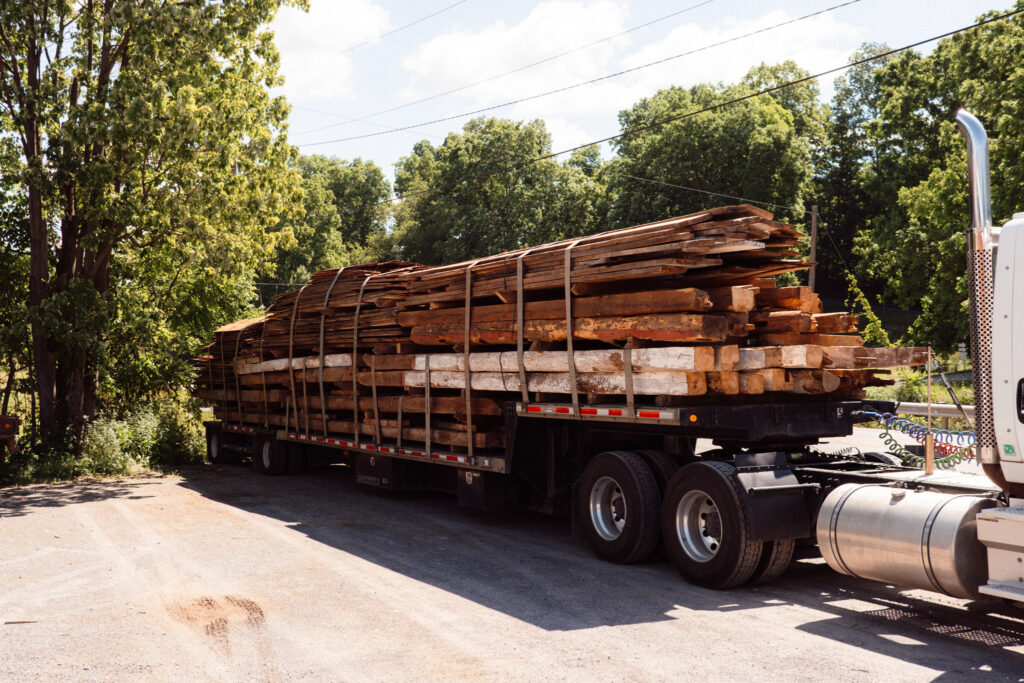
A full-size semi can typically carry between 10,000 and 12,500 board feet of timber. That is usually enough capacity for one mid-sized original historic frame without added rafters, flooring, cladding, or other material. A larger frame, a full timber roof system, long members, or additional reclaimed material may require a second or third truck.
Freight pricing also changes by region. West of the Mississippi River, shipping averages around $3.50 per mile. East of the Mississippi and north of Tennessee, it averages closer to $5.20 per mile. In the Southeast, south of Tennessee, it averages around $4.20 per mile. These figures give you a useful planning range, but fuel prices, permits, ferry routes, long or oversized timbers, difficult access, and the number of loads can change the final quote.
Those freight rates cover transportation. They do not include the labor or equipment required to load and unload the frame. A proposal should make clear who is responsible for loading, unloading, staging, storage, site access, and any equipment needed when the truck arrives.
What It Costs to Raise the Frame
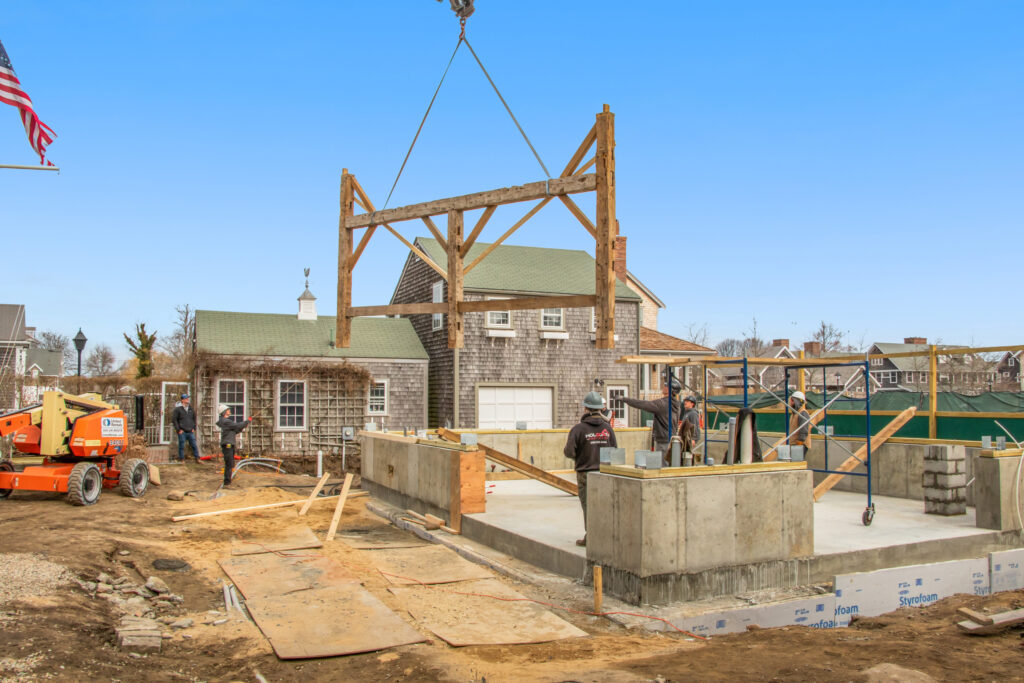
The main cost of assembly is the number of people required and how long they need to be on site. For a straightforward original historic frame, we typically allow five to ten days for assembly. A normal planning range for that work is roughly $80,000 to $120,000.
That number can include the traveling crew, supervision, unloading, staging, rigging, temporary bracing, field fitting, travel, lodging, and the cranes, telehandlers, or lifts identified in the proposal. The exact equipment and site responsibilities should always be confirmed before comparing bids.
More complex custom assemblies require more people, heavier equipment, additional field fitting, and much more time. We have charged more than $250,000 to assemble large custom timber structures. Those figures cover timber frame assembly only. They do not include SIP installation, roofing, siding, windows, doors, or other construction unless those services are listed separately.
Site conditions can also move the price quickly. The foundation must match the frame drawings, the trucks need a reliable route into the property, and the crew needs enough firm ground to unload, stage, and operate equipment. A wet site, unfinished foundation, narrow access road, missing hardware, or last-minute design change can leave both the crew and rented equipment waiting.
A Realistic Cost Comparison
Suppose you find a mid-sized historic frame for $50,000. If professional dismantling, restoration, replacement timbers, and joinery add another $50,000, the frame is now at $100,000. Freight may add roughly $7,000 to $18,000 depending on location and number of loads. Assembly may add another $80,000 to $120,000. Before foundation work or enclosure begins, the frame could represent a total investment of roughly $187,000 to $238,000.
Now compare that with a restored frame priced at $120,000. Add the same freight and assembly ranges, and the total becomes roughly $207,000 to $258,000. The restored frame appears much more expensive at first, but the full comparison may show only a modest difference. It may also carry less uncertainty because the inspection, repairs, replacement timbers, and preparation have already been completed by professionals.
These numbers are examples, not quotes, but they show why the original purchase price should never drive the decision by itself.
How to Start With a Useful Budget
You do not need finished architectural plans to begin. A timber frame company can usually develop a rough range from the project location, approximate footprint, number of stories, intended use, preferred frame type, reference photos, desired timeline, and total project budget. A survey, site photographs, preliminary floor plan, or simple hand sketch will make the range more reliable.
If you want an original frame, review actual available structures before the architect fixes the floor plan. It is far less expensive to design rooms around an existing bent and bay layout than to finish the architecture first and then force a historic frame into it.
Whether you have only an idea, a set of inspiration photos, preliminary plans, or a completed design, reach out to Three Ten Timber or another experienced timber frame company and ask for a rough budget. Starting early will help you understand the cost of the frame, restoration, freight, assembly, and enclosure before the project moves too far in the wrong direction.
You can browse current historic barn and cabin inventory, review completed reclaimed projects, or send us your project location, desired size, use, and budget to begin the conversation.
Frequently Asked Questions
How much does a restored historic barn frame cost?
For 2026-2027 planning, most Three Ten Timber original historic frame packages fall between $120,000 and $150,000. Larger, rarer, or premium frames may range from $190,000 to $300,000 or more. These prices cover a professionally dismantled and restored frame with the necessary replacement timbers, but they do not include shipping, assembly, enclosure, foundation work, or finished construction.
Why are some historic barn frames advertised for much less?
The lower price may cover only the standing barn or dismantled timbers. It may not include professional labeling, inspection, cleaning, repairs, replacement members, drawings, joinery, or preparation for raising. The remaining work still has to happen, and restoration can equal the original purchase price.
Is buying directly from a barn owner cheaper?
The initial purchase price usually is, but you are taking responsibility for professional dismantling, loading, transportation, inspection, restoration, replacement timbers, and the risk of hidden damage. It can be a good opportunity when evaluated correctly, but the barn owner’s price should not be compared directly with a restored frame package.
Does a restored frame price include shipping and assembly?
Not unless the proposal says it does. A restored package is generally prepared for shipment. Freight, unloading, equipment, travel, and on-site assembly should be identified separately so the owner can see the complete timber frame budget.
How many trucks will a historic frame require?
One full-size semi can usually carry 10,000 to 12,500 board feet. That is enough for many mid-sized original frames without added material. Large frames, timber roof systems, flooring, cladding, replacement material, or unusually long members may require more loads.
How long does it take to raise an original frame?
A straightforward original historic frame typically takes five to ten days to assemble. The schedule depends on the size and complexity of the frame, crew size, site access, foundation accuracy, equipment, weather, and how much field fitting is required.
Is an original historic frame always less expensive than a custom reclaimed frame?
Usually, as long as the new design follows the original frame closely. Major changes to the footprint, wall height, loft, posts, or roofline add material and labor. A custom reclaimed frame generally costs at least 50% more than a comparable original frame, but extensive modifications can narrow that difference.
Can a historic barn frame become a home?
Yes, but the floor plan must account for the original bent spacing, bay layout, wall heights, roof system, stairs, openings, foundation, enclosure, and local structural requirements. Some frames adapt to residential use more easily than others, which is why the timber frame company should be involved before the architectural plans are complete.


