
Choosing a builder is easier when you can see what they have already done. Our portfolio and project stories highlight the homes, cabins, and commercial spaces we have helped clients bring to life. Each project began with a client who had a vision and questions. Our job was to guide them through the process and deliver a structure they could trust.
Custom Projects and Build Stories
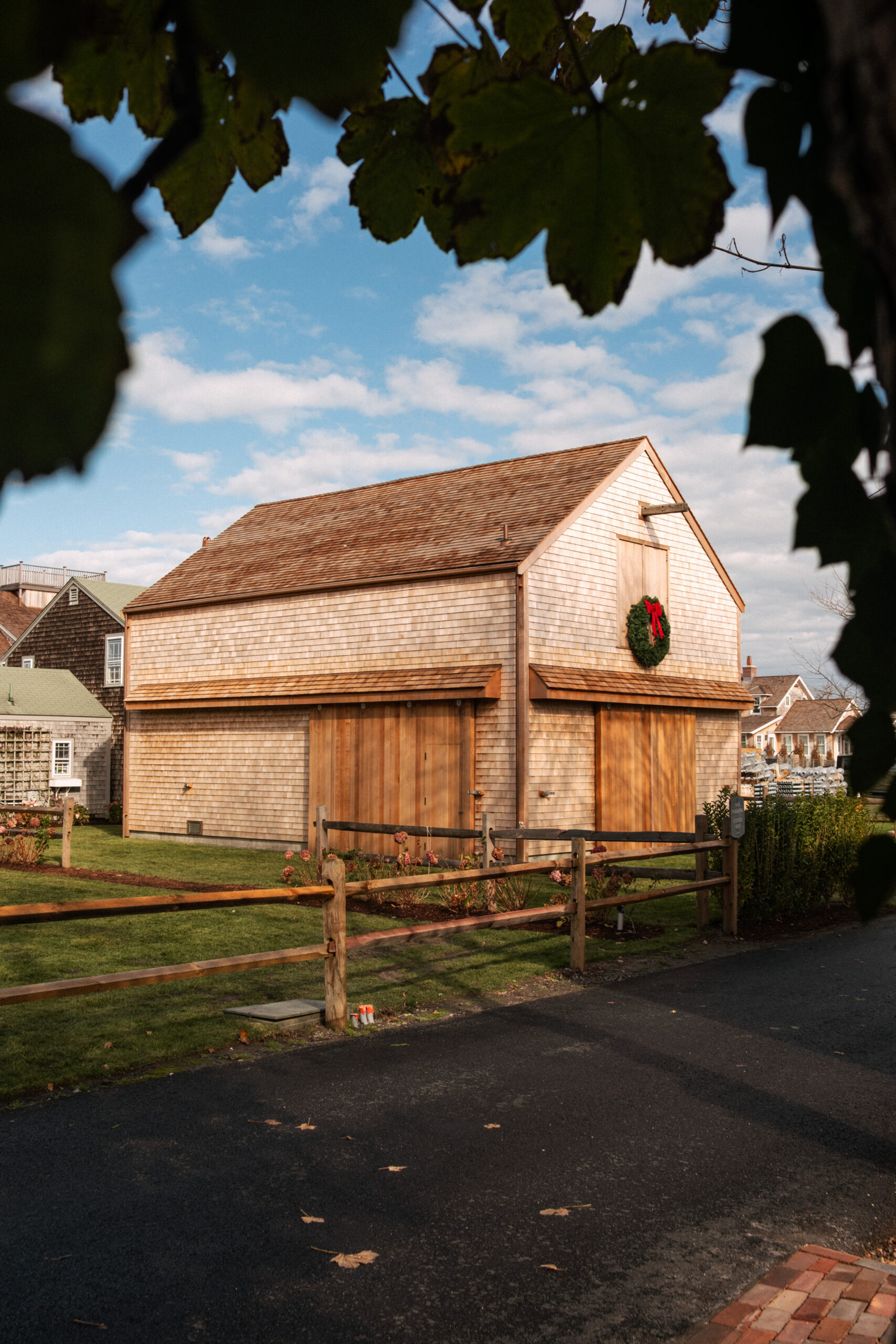
Timber framing is more than a building method—it’s a commitment to craftsmanship, longevity, and a deeper connection to these spaces we call home. While modern construction has shifted toward speed and mass-produced materials, timber frame homes continue to stand apart. They feel different the moment you step inside: warm, solid, intentional, and built to endure for generations. That lasting value is exactly why more homeowners, designers, and builders are returning to this timeless approach.
A Structure Built to Last for Generations
One of the defining advantages of timber frame construction is clear the moment the frame goes up. Heavy timber posts, beams, and trusses create a structural backbone that far outlives conventional stick-framed methods. These large timbers aren’t hidden behind layers of drywall; they’re exposed and fully integrated into the home’s architecture. That visibility naturally encourages precision, accountability, and quality workmanship at every stage.
Timber frame structures resist settling, movement, and fatigue over time because of the natural strength and durability of the materials. When properly crafted and maintained, these homes can last centuries. You aren’t just building a house—you’re building a legacy that retains both structural and monetary value for years to come.
Craftsmanship You Can See Every Day
A timber frame home is a showcase of craft. From the joinery to the hand-finished surfaces, every detail is intentional and meant to be appreciated. That craftsmanship becomes part of the living experience. Instead of hiding the structure, timber framing celebrates it. The bones of the home become art—timbers warming the edges of everyday life with texture, shadow, and character you simply can’t replicate with manufactured materials.
This visible craftsmanship is also a key factor in long-term value. Homes that are built with artisan quality tend to age gracefully rather than feeling dated. They rarely need the kind of expensive overhauls that conventional homes require, and they consistently maintain their appeal among buyers who understand the difference between a house and a handcrafted home.
Exceptional Energy Efficiency Built Into the Design
While timber frame homes are known for beauty and strength, they’re also recognized for exceptional energy performance. Because the main structure is carried by the timber frame, the surrounding walls can be built using high-performance insulation methods such as Structural Insulated Panels (SIPs). This creates a thermal envelope far superior to traditional framing.
The benefits of this kind of construction pay off every month. Better insulation means lower utility costs, more consistent indoor comfort, and fewer drafts. Over the lifetime of the home, these savings compound. And unlike short-term upgrades—like new appliances or windows—energy-efficient construction adds real, lasting value to the entire structure from day one.
Designed With Flexibility and Long-Term Function in Mind
Timber framing offers a level of design freedom that many homeowners don’t realize is possible. Because the structure relies on a skeleton of posts and beams, interior walls aren’t load-bearing. That flexibility allows for open, airy floor plans that feel modern while still reflecting timeless craftsmanship.
It also means the home can evolve as needs change. Rooms can be reconfigured, walls can be added or removed, and spaces can be adapted without compromising structural integrity. That kind of adaptability adds value over time, making the home functional for multiple generations, different lifestyles, and future owners. It’s a building method designed not just for today, but for whatever comes next.
Natural Materials That Age With Beauty, Not Wear
Some materials deteriorate as they age—timber, when properly cared for, becomes richer, warmer, and more visually striking over time. Sunlight deepens the color of the wood. New textures emerge. The character sharpens. Instead of needing replacement, the frame becomes more meaningful with every passing year.
This is one of the reasons timber frame structures hold their value so well. Aged wood develops a patina that buyers seek out and appreciate, much like reclaimed beams or antique flooring. Every mark tells a story, and every surface becomes part of the home’s legacy. It’s the kind of natural aging you simply can’t fake or reproduce with engineered products.
A Home That Feels Connected to Nature
Timber framing brings the outside in. Large timbers create warmth and grounding, while expansive windows and open layouts invite natural light. Many homeowners choose timber frame construction because it allows the home to connect more intentionally with the land around it—whether it’s a wooded property, rolling pasture, mountain foothills, or a quiet suburban lot.
That sense of connection isn’t just emotional. Homes that feel rooted in their surroundings tend to maintain stronger resale value. Buyers are drawn to spaces that feel authentic, organic, and thoughtfully built. Timber framing naturally creates that experience.
Long-Term Financial Value That Outperforms Trend-Based Building
While trends come and go, quality never stops being valuable. Timber frame homes consistently outperform standard construction in long-term appraisal and resale metrics for several reasons:
- They remain in excellent condition over decades.
- Their architectural style is timeless, not tied to trends.
- They appeal to buyers seeking craftsmanship and authenticity.
- Their energy efficiency reduces long-term costs.
- Their durability minimizes major repair expenses.
The combination of aesthetic appeal, structural strength, and artisan construction creates a home that is both functional and financially smart.
A Legacy Built With Purpose
Timber framing offers something rare in modern buildings: purpose. It’s intentional in its design, honest in its materials, and grounded in the idea that a home should last. That sense of purpose is felt in every room and seen in every joint and beam. It creates spaces that people are proud to live in and pieces of architecture that stand the test of time.
And that is the heart of its lasting value. Timber frame construction gives homeowners more than a place to live—it gives them a structure that supports their lifestyle today, adapts to their needs tomorrow, and endures for generations.


