
Choosing a builder is easier when you can see what they have already done. Our portfolio and project stories highlight the homes, cabins, and commercial spaces we have helped clients bring to life. Each project began with a client who had a vision and questions. Our job was to guide them through the process and deliver a structure they could trust.
Custom Projects and Build Stories
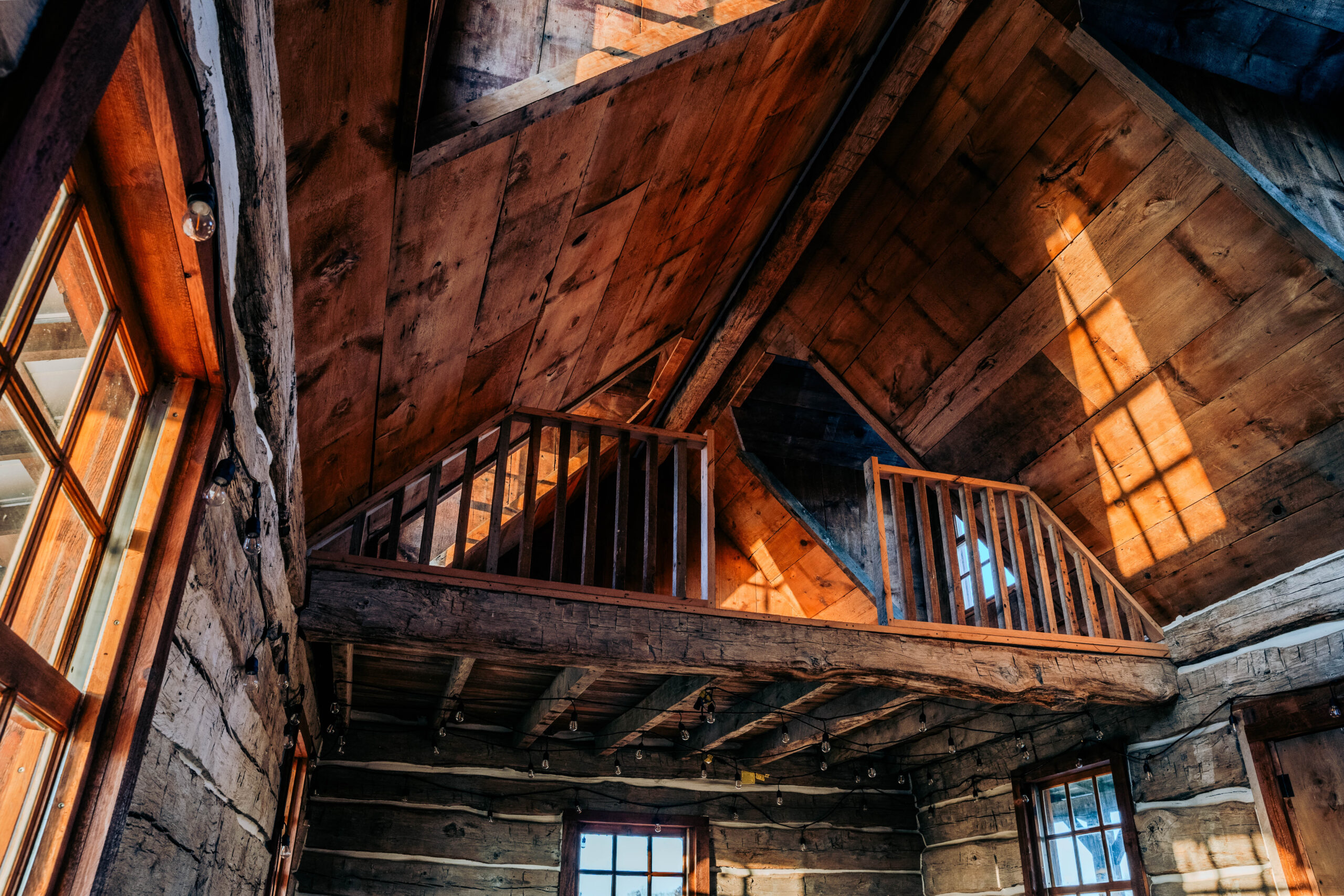
Log cabins carry a timeless appeal. Their warm wood interiors, exposed beams, and rustic charm make them standout homes that feel grounded and authentic. But many homeowners wonder if the beauty comes with a hidden cost—do log cabins require more maintenance than conventional homes? The answer is nuanced. With proper planning, materials, and care, a log cabin can be as low-maintenance as a traditional home while offering unique durability and long-term value.
Understanding maintenance for log cabins begins with recognizing what makes these homes different from stick-built construction. The exposed timber, natural materials, and solid structural members that give log cabins their character also influence how they are cared for over time.
The Role of Quality Materials
A log cabin built with high-quality timbers and properly dried and treated wood requires minimal maintenance beyond routine care. Logs that are selected for durability and stability, especially those naturally resistant to decay or properly seasoned, stand up to weather and age gracefully.
Reclaimed or sustainably sourced timbers, often used in custom log cabins, provide additional strength and character. Choosing the right wood from the outset reduces the risk of cracking, splitting, or other common issues associated with low-quality logs, which in turn lowers long-term maintenance needs.
Proper Sealing and Protection
One of the most important steps in log cabin maintenance is protecting the wood from moisture and pests. A properly finished and sealed log exterior prevents water infiltration, reduces the risk of rot, and discourages insect damage.
Modern sealants and stains create a protective barrier without sacrificing the natural beauty of the wood. Unlike conventional siding that may require periodic painting or replacement, high-quality log finishes last for years and preserve both the structural integrity and aesthetic appeal of the cabin.
Routine Inspections and Preventive Care
Like any home, a log cabin benefits from routine inspections and preventive maintenance. Checking for signs of water damage, settling, or minor cracks allows homeowners to address small issues before they become costly repairs.
Cleaning gutters, ensuring proper drainage around the foundation, and keeping landscaping clear of direct contact with logs are simple steps that protect the structure. These tasks are straightforward and often require less effort than major exterior repairs on conventional homes over time.
Settling and Shrinkage Considerations
All log cabins experience some natural settling or shrinkage as the wood adjusts to humidity and seasonal changes. This movement is a normal part of timber construction and doesn’t indicate poor construction.
Builders account for settling during construction, using adjustable fasteners, sill logs, and engineered joinery. While conventional homes don’t have this characteristic, the adjustments in a log cabin are generally minor and do not translate into significant ongoing maintenance when planned for correctly.
Energy Efficiency and Maintenance
Timber logs provide natural insulation due to their mass, which helps regulate indoor temperatures and reduce energy consumption. A well-built log cabin paired with modern insulation and tight-fitting windows and doors can be as energy-efficient as a conventional home.
Maintaining energy efficiency in a log cabin mostly involves ensuring that chinking or sealants remain intact, which is less frequent than the repairs or replacements conventional siding or wall materials may require over time.
Interior Maintenance
The interior of a log cabin often features exposed beams, timber walls, and handcrafted wood details. These surfaces are durable and, in many cases, require very little attention beyond regular dusting and occasional polishing. Unlike drywall, paint, or engineered products that may crack, peel, or fade, solid timber ages gracefully and often becomes more beautiful with time.
Properly maintained, the interior wood can last generations without the kind of frequent cosmetic work conventional homes often require, making it a long-term advantage rather than a burden.
Exterior Finishes and Lifespan
Exterior finishes on a log cabin play a crucial role in maintenance requirements. Timber cabins with high-quality stains, sealants, or protective coatings can go many years before needing reapplication. Compared to repainting traditional siding or replacing composite materials, this is a relatively low-maintenance routine.
Even when reapplication is required, the process is straightforward and preserves the natural look of the timber. The longevity of quality finishes ensures the home maintains its value, structural integrity, and aesthetic appeal over decades.
Landscaping and Water Management
One of the most important aspects of log cabin maintenance is proper site management. Ensuring water drains away from the foundation, keeping trees and shrubs trimmed, and preventing soil or mulch from directly contacting the logs are small but effective ways to protect the structure.
While conventional homes also require landscaping care, log cabins are slightly more sensitive to water and vegetation contact due to their exposed timber, making these preventive measures essential for long-term upkeep.
Pest Prevention
High-quality logs, proper finishing, and routine inspections significantly reduce the risk of insect damage. Termites, carpenter ants, and other wood-boring pests are not inherently more attracted to log cabins than other homes, but moisture and poor maintenance can create vulnerabilities.
Regular care—keeping wood dry, inspecting for damage, and treating when necessary—keeps the cabin structurally sound without the need for constant intervention.
Comparing Maintenance to Conventional Homes
When done right, a log cabin does not require more maintenance than a conventional home. In fact, in many ways, it can require less. The natural durability of heavy timber, the longevity of quality finishes, and the structural stability of traditional joinery reduce the need for frequent repairs and replacements common in standard construction.
While log cabins do demand attention to moisture, sealants, and site management, these tasks are predictable, manageable, and can be scheduled as part of routine home care. The result is a home that continues to perform beautifully for decades with far fewer unexpected maintenance issues.
The Long-Term Advantage
The true value of a log cabin lies in its durability, craftsmanship, and natural materials. While conventional homes often face cosmetic issues, siding replacement, and minor structural concerns over time, a timber cabin built with quality logs and skilled craftsmanship maintains its integrity and charm.
Investing in proper construction, sealants, and preventive care ensures the cabin not only remains beautiful but also retains its structural strength. Over the lifespan of the home, a log cabin often requires less cumulative maintenance than conventional alternatives, offering both peace of mind and lasting value.


