
Choosing a builder is easier when you can see what they have already done. Our portfolio and project stories highlight the homes, cabins, and commercial spaces we have helped clients bring to life. Each project began with a client who had a vision and questions. Our job was to guide them through the process and deliver a structure they could trust.
Custom Projects and Build Stories
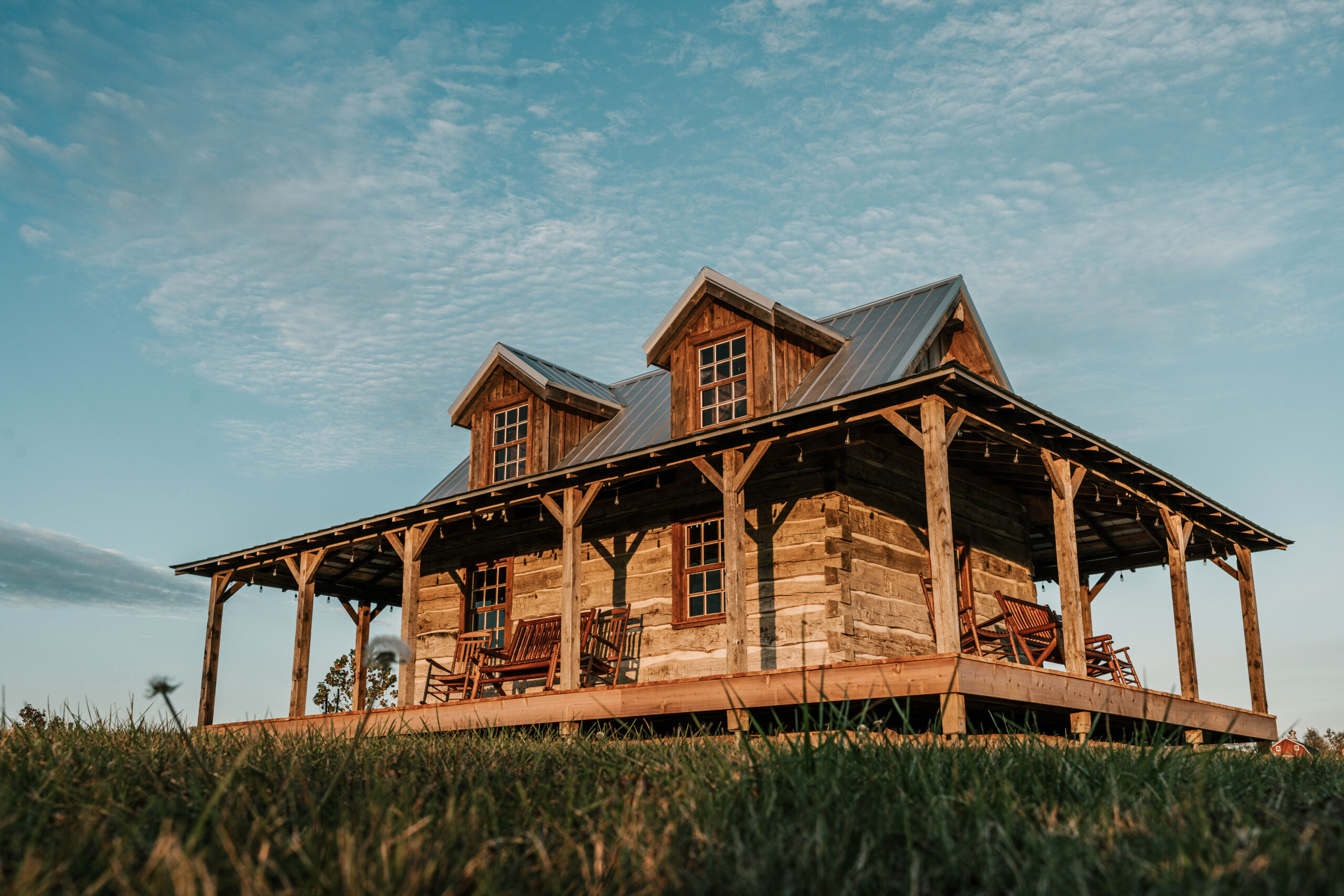
Building a custom log cabin is a dream for many homeowners, but understanding the costs involved is an important first step. Unlike standard homes, log cabins rely on specialized craftsmanship, heavy timber materials, and custom designs that reflect both the environment and the lifestyle of the people who will live there. The cost of building a custom log cabin varies depending on several factors, from the size and complexity of the design to the type of wood used and the level of craftsmanship involved.
A custom log cabin isn’t just about square footage; it’s about creating a home that is strong, beautiful, and built to last for generations. Each timber, each joinery detail, and each finish is chosen with care. That attention to detail influences the overall investment, but it also ensures long-term value and a home that feels unique, authentic, and intentional.
Factors That Influence Cost
Several key elements determine the cost of a custom log cabin. Size is an obvious factor—the larger the home, the more timber, labor, and finishes are required. But beyond square footage, the complexity of the design plays a significant role. Features such as vaulted ceilings, open floor plans, lofts, and expansive porches add character but also increase the time and expertise required for construction.
The type and quality of wood also make a difference. Reclaimed timbers, old-growth logs, or specialty species add unique beauty and history, but they can also increase costs compared to standard lumber. Every log is selected for its strength, durability, and visual appeal, and the precision required to fit it into the structure adds to the labor investment.
Craftsmanship and Joinery
One of the hallmarks of a custom log cabin is the craftsmanship involved in the construction. Unlike pre-fabricated or modular cabins, a custom-built log home relies on skilled artisans to shape, join, and assemble each timber. Traditional joinery techniques, such as mortise-and-tenon or pegged connections, provide structural stability without the need for metal fasteners. These methods are labor-intensive but ensure a frame that lasts for generations.
This level of craftsmanship naturally influences cost. Every detail—from the placement of beams to the finish of exposed logs—is handled with precision. While it may increase upfront expenses, it also adds long-term value by creating a home that is durable, functional, and visually striking.
Foundation and Site Considerations
The site itself can impact cost significantly. Building on a flat, easily accessible lot is generally less expensive than constructing on a steep slope, remote property, or uneven terrain. Site preparation, grading, and foundation work require careful planning, particularly in areas with challenging weather or soil conditions.
The foundation type also matters. Full basements, crawl spaces, or slab-on-grade foundations each come with different costs and requirements. A well-planned foundation not only supports the weight of the heavy timber structure but also contributes to energy efficiency and longevity.
Interior and Exterior Finishes
The finishes selected for a custom log cabin are another key cost consideration. Interior finishes, such as flooring, cabinetry, countertops, and lighting, can range from simple and functional to high-end and luxurious. Exterior treatments, including stain, sealants, porches, decks, and roofing materials, also influence the budget.
Because timber cabins often feature exposed wood both inside and out, finishing work is especially important. Protective coatings, stains, and sealants preserve the timber while enhancing its natural beauty, contributing to both aesthetic appeal and long-term durability.
Mechanical Systems and Utilities
Heating, cooling, plumbing, and electrical systems must be integrated into a log cabin thoughtfully. Timber structures require careful planning for ductwork, wiring, and pipes to maintain the integrity and energy efficiency of the home. Modern systems, including radiant heating or energy-efficient HVAC, can increase costs upfront but reduce long-term operating expenses.
Well-planned utilities not only improve comfort and efficiency but also enhance the overall value of the cabin. Buyers and homeowners alike appreciate systems that are reliable, durable, and unobtrusive, which makes thoughtful design an important investment.
Permits and Local Regulations
Like any custom home, log cabin construction involves navigating local building codes, zoning requirements, and permit fees. These costs can vary by region and may include inspections, impact fees, and other regulatory requirements. Factoring in these expenses early in the planning process helps avoid surprises and ensures the project stays on schedule.
Working with a builder experienced in timber construction simplifies the process. Knowledgeable professionals understand the nuances of local regulations and can guide homeowners through approvals while maintaining the integrity of the design.
Cost Ranges and Investment Considerations
Because every log cabin is unique, costs can vary widely. On average, a basic custom log cabin may start around a certain price per square foot, while high-end or complex designs with reclaimed timber, intricate joinery, and premium finishes can exceed that substantially. It’s important to consider both the initial investment and the long-term value. Timber cabins are built to last, often requiring less maintenance and holding their aesthetic and structural appeal for decades.
Investing in quality materials and skilled craftsmanship pays dividends in durability, energy efficiency, and overall satisfaction. Timber frame construction is not only about creating a home today—it’s about building a space that will serve multiple generations.
Working With Professionals to Plan Costs
The best way to understand the cost of a custom log cabin is to work with a builder experienced in timber framing. Professionals can help evaluate the site, select materials, design floor plans, and provide detailed estimates. This collaborative approach ensures that the home reflects the homeowner’s vision while staying within budget.
Experienced builders also help identify areas where investment matters most. Structural integrity, energy efficiency, and long-lasting finishes are priorities that directly affect the home’s performance and resale value. Consulting with experts early in the process helps create a realistic budget and a home built to last.
The Value of a Custom Timber Home
While the cost of building a custom log cabin may be higher than conventional construction, the advantages are clear. A timber frame cabin offers unmatched durability, timeless beauty, and design flexibility. Each structure is crafted to reflect the homeowner’s vision, with materials and joinery that ensure it will stand for generations.
Ultimately, building a custom log cabin is an investment in quality living. It is a home that performs, inspires, and endures. Understanding the factors that influence cost allows homeowners to make informed decisions while creating a space that is as functional as it is beautiful.


