
Choosing a builder is easier when you can see what they have already done. Our portfolio and project stories highlight the homes, cabins, and commercial spaces we have helped clients bring to life. Each project began with a client who had a vision and questions. Our job was to guide them through the process and deliver a structure they could trust.
Custom Projects and Build Stories
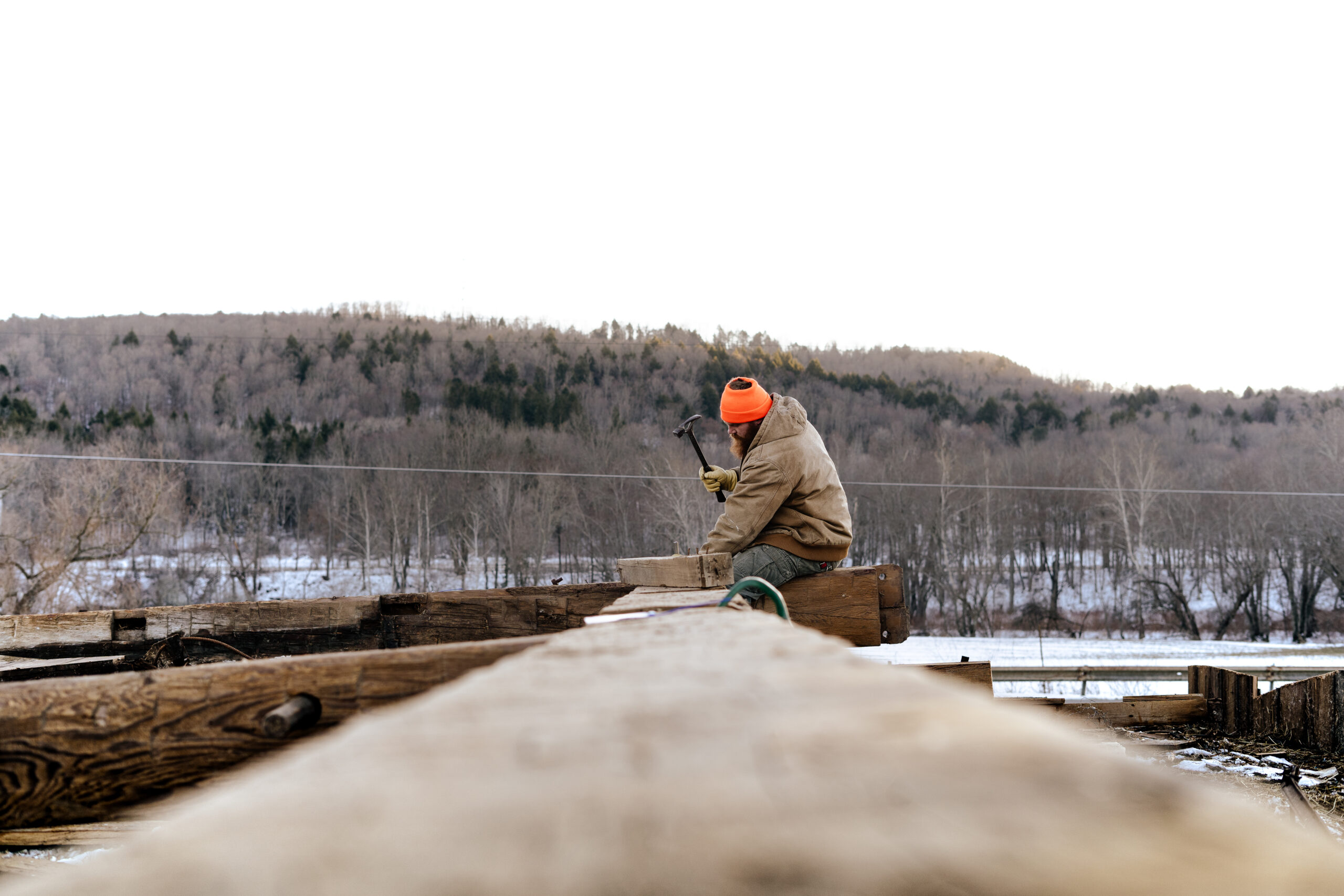
Timber frame construction is more than a building method—it’s a statement about quality, longevity, and intentional design. While modern construction often emphasizes speed and cost over durability, timber framing focuses on strength, character, and a structure built to last. The advantages of this method extend far beyond appearance. From energy efficiency and design flexibility to timeless appeal, timber framing continues to stand apart as a superior choice for those who value craftsmanship and lasting value.
Unmatched Structural Strength
One of the most notable advantages of timber frame construction is its strength. Unlike conventional stick-built homes, which rely on hundreds of small studs and fasteners, timber frame homes depend on large, solid timbers joined with traditional joinery like mortise and tenon. This approach creates a skeleton that is exceptionally durable and resistant to shifting, settling, and structural fatigue.
Because the load is carried primarily by the timbers, interior walls are often non-load-bearing. This allows for open, expansive spaces without sacrificing structural integrity. Whether it’s a high vaulted ceiling, a lofted area, or wide-open common spaces, timber framing supports designs that other construction methods would struggle to achieve.
Timeless Aesthetic Appeal
The natural beauty of exposed timber is unmatched. Beams, trusses, and handcrafted joinery bring warmth, texture, and character to every space. This isn’t a superficial design choice—timber framing transforms a home’s atmosphere, giving it an inviting, grounded feeling that is impossible to replicate with drywall or engineered materials.
Homes built with timber frames age gracefully. While other styles may look dated after a few decades, timber frames maintain their appeal. This timeless aesthetic makes them highly desirable for both homeowners and future buyers, ensuring the structure retains its value for years to come.
Exceptional Energy Efficiency
Timber frame construction pairs naturally with high-performance insulation systems, creating a tight, energy-efficient envelope. Because the structure carries the load, exterior walls can be insulated continuously, reducing thermal bridging and minimizing air infiltration. Many timber frame homes use structural insulated panels (SIPs) or other advanced insulation methods, resulting in lower heating and cooling costs.
In addition, the thermal mass of heavy timbers helps regulate indoor temperatures. The wood absorbs heat during the day and slowly releases it at night, contributing to a more stable, comfortable living environment. Over time, these energy savings make timber frame homes not only comfortable but cost-effective.
Design Flexibility for Every Lifestyle
Timber frame construction offers unmatched flexibility in design. Because heavy timbers support the structure, interior walls can be positioned freely, making open floor plans, vaulted ceilings, and large window walls possible. Homeowners can adapt the space to suit evolving needs without compromising the integrity of the frame.
This flexibility isn’t just about today’s preferences—it ensures the home remains functional and appealing for decades. Families can add rooms, reconfigure layouts, or create open-concept spaces as lifestyles change, preserving both usability and value.
Durability and Longevity
A timber frame home is built to last. Heavy timbers are naturally strong, stable, and resistant to warping, shrinking, and settling. When properly maintained, a timber frame can endure for generations, often outlasting conventional construction by decades.
This durability reduces maintenance concerns and replacement costs over the life of the home. A structure built to last not only provides peace of mind for homeowners but also adds to the long-term investment value of the property.
Environmentally Responsible Construction
Sustainability is another key advantage of timber frame construction. Wood is a renewable resource, and many builders source timbers responsibly or reclaim historic wood from old barns and structures. Using reclaimed timber reduces waste while giving new life to materials that might otherwise be discarded.
Additionally, timber frame homes tend to outlast shorter-lived buildings, reducing the need for frequent reconstruction and conserving resources. The combination of renewable materials, energy efficiency, and long-term durability makes timber framing a responsible choice for homeowners who care about the environment.
A Sense of Craftsmanship and Authenticity
Perhaps the most intangible—but meaningful—advantage of timber framing is the feeling it creates. These homes are handcrafted, rooted in tradition, and intentionally designed. The joinery, exposed beams, and natural materials convey authenticity and permanence. Living in a timber frame home is an experience—it feels real, solid, and thoughtfully built.
This sense of craftsmanship isn’t just about aesthetics. It signals quality to future buyers and contributes to the structure’s long-term value. Homes that are built with integrity and attention to detail maintain their appeal over time, both financially and emotionally.
Versatility Across Building Types
Timber framing isn’t limited to custom homes. The same advantages apply to barns, cabins, commercial spaces, pavilions, workshops, and accessory structures. Whether for residential or commercial use, timber frames provide strength, flexibility, and aesthetic appeal. They allow architects and builders to design spaces that are functional, open, and visually striking.
Even hybrid structures, which combine timber frames with other materials, benefit from the structural backbone and enduring beauty that timber provides. This versatility makes timber framing a practical and attractive option for a wide range of building types.
Long-Term Value
Ultimately, timber frame construction adds lasting value. Homes built with heavy timbers are strong, energy-efficient, and adaptable. They age gracefully, maintain their appeal, and require less maintenance than conventional structures. Beyond the financial benefits, they offer a unique living experience grounded in natural materials and thoughtful design.
When you invest in timber frame construction, you’re investing in more than a building. You’re investing in a home that stands the test of time, delivers enduring beauty, and creates a space that supports a lifetime of living.


