
Choosing a builder is easier when you can see what they have already done. Our portfolio and project stories highlight the homes, cabins, and commercial spaces we have helped clients bring to life. Each project began with a client who had a vision and questions. Our job was to guide them through the process and deliver a structure they could trust.
Custom Projects and Build Stories
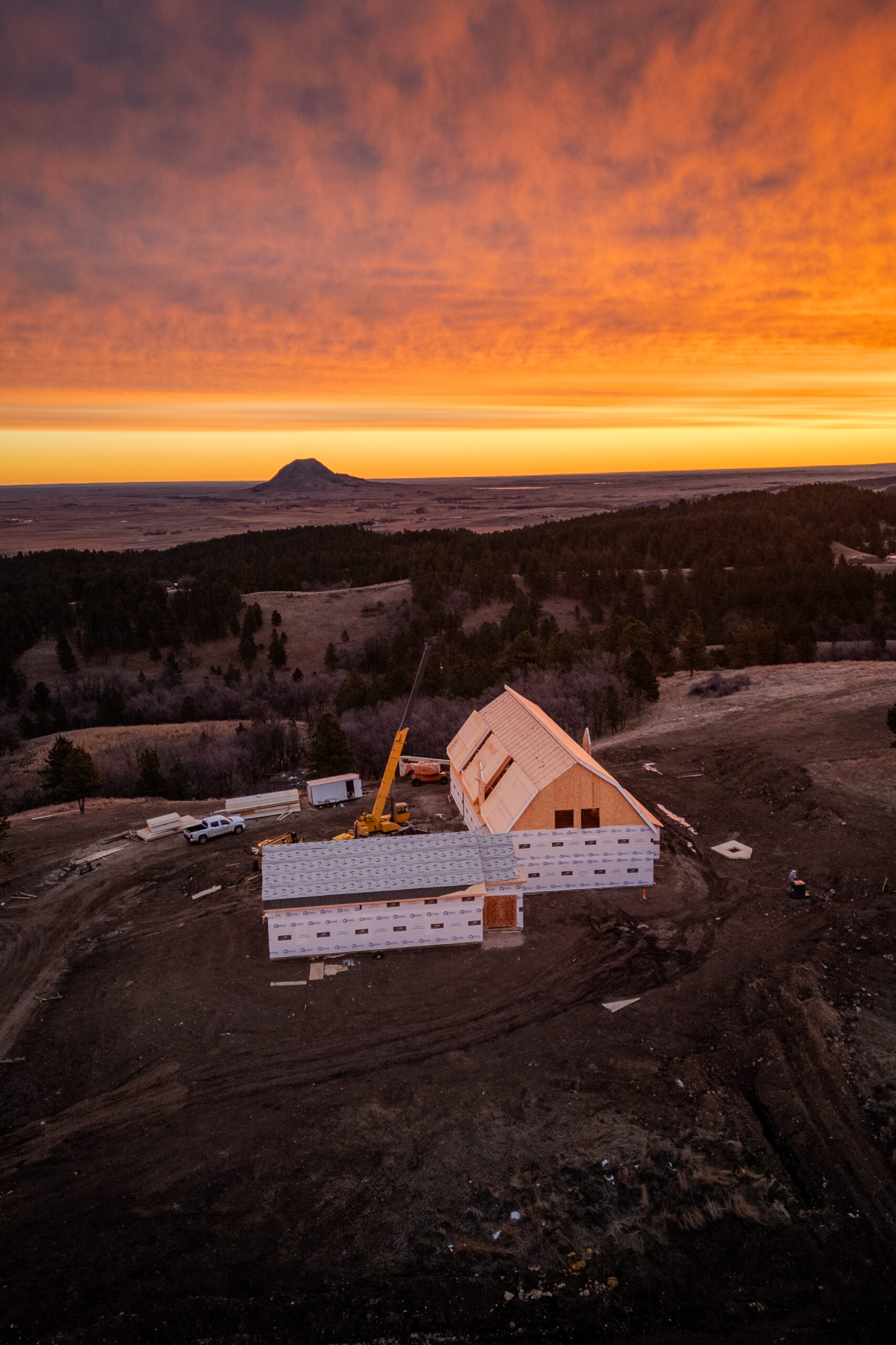
Timber framing has always been about more than building a structure—it’s about creating spaces with presence, longevity, and character. Heavy timbers have a way of grounding a building, giving it warmth and strength that you feel the moment you walk in. While many people associate timber frames with traditional homes or mountain lodges, the truth is that this building method is incredibly versatile. With thoughtful design and skilled craftsmanship, timber frames can be used for a wide range of structures, from intimate backyard spaces to expansive commercial buildings.
The flexibility of timber framing comes from its structural logic. Because the weight of the building is carried by the frame itself, walls can open up, ceilings can rise, and floor plans can extend without relying on numerous load-bearing partitions. This makes it possible to create spaces that feel open, spacious, and timeless—no matter the size or purpose of the building.
Custom Homes and Residences
Timber frame homes are the most recognized use of this building method, and for good reason. A custom home built with heavy timbers is designed to last for generations. The exposed beams, handcrafted joinery, and natural materials create an atmosphere that is both warm and refined.
This approach works beautifully for a range of residential styles. Some homeowners choose full timber frames with exposed beams throughout every room. Others prefer a hybrid style, blending timbers with conventional framing to highlight specific areas such as entryways, great rooms, kitchens, or vaulted ceilings. Whether the design leans rustic, modern, or somewhere in between, the strength and beauty of the frame give the home an enduring character that never feels dated.
Barns and Agricultural Buildings
Timber framing originated in barns and agricultural structures, and it continues to excel in these settings today. The clear-span capabilities of a timber frame make it ideal for large, open spaces without interior columns. This is especially important for barns, stables, equipment storage, workshops, and multi-use farm buildings.
These structures benefit not only from the inherent strength of the timbers but also from the resilience they offer. Heavy timbers handle long-term use, shifting weather conditions, and wide temperature swings with stability and reliability. When designed intentionally, a timber-framed barn becomes a functional space that also carries the warmth and authenticity of traditional craftsmanship.
Outdoor Living Spaces
Timber frames are equally effective in outdoor environments where structure and aesthetics need to work together. Pavilions, pergolas, gazebos, and covered patios are all common and beautiful applications. Because heavy timbers can withstand the elements when properly protected, they create outdoor spaces that remain solid and inviting for decades.
These structures often serve as gathering places—quiet spots for morning coffee, shaded areas for summer meals, or open-air shelters for events. The exposed beams and natural wood grain create visual interest, while the strength of the frame ensures the structure feels grounded and enduring. Timber-frame outdoor spaces also blend effortlessly with surrounding landscapes, making them a natural choice for anyone wanting a cohesive connection between their home and the outdoors.
Garages and Workshops
Timber framing is an excellent option for garages and workshops, especially for those who want a space that is both functional and beautiful. Large door openings, lofted storage areas, and open work zones are easy to incorporate thanks to the wide-span capabilities of the frame. Whether the goal is a traditional carriage-style garage, a modern shop space, or a multi-use building with living quarters, a timber frame offers flexibility and durability that serve long-term needs.
Many homeowners choose timber-framed garages and shops because they want a structure that matches the character of their home. The visual continuity of natural wood, concealed joinery, and careful detailing creates a cohesive aesthetic across the property.
Commercial and Community Buildings
Timber framing has gained significant popularity in commercial and public buildings. Offices, event centers, restaurants, retail spaces, breweries, churches, and community lodges all benefit from the presence and spaciousness a timber frame provides. The structure becomes part of the interior design, creating an atmosphere that feels warm, authentic, and welcoming.
For businesses, the architectural impact of exposed beams makes a strong impression on visitors. Clients and guests experience a sense of permanence and quality the moment they step inside. Timber frames also allow for tall ceilings, open floor plans, and large window walls—features that enhance the usability and character of commercial spaces.
Cabins and Retreat Spaces
Cabins and retreat structures are a natural fit for timber framing. Whether tucked into the woods, placed near water, or situated on open land, these buildings benefit from the quiet strength and natural beauty of the timbers. A timber frame cabin can be compact and cozy, or spacious with large gathering areas and vaulted ceilings. The design can be simple or highly architectural, depending on how the frame is expressed.
Because timber frames feel connected to the natural world, they’re often chosen for places meant to restore, relax, and reconnect. The warmth of wood, the feeling of shelter, and the intentional nature of the craftsmanship create spaces that encourage slowing down and enjoying the environment.
Additions and Renovations
Timber framing is not limited to new construction. It can also be incorporated into additions or renovations to bring character and structural interest to an existing building. Common applications include new entryways, extended great rooms, porch additions, sunrooms, or updated roof systems with exposed beams.
These projects allow homeowners to elevate their spaces while maintaining connection to the original structure. Even small amounts of timber framing—such as a truss system in a vaulted ceiling or a timber porch—can significantly enhance the character and comfort of a home.
A Building Method That Adapts to Many Visions
What makes timber framing so versatile is its ability to adapt to different scales, styles, and purposes. It can be refined or rugged, traditional or modern, understated or expressive. The structural integrity of the timbers allows for creativity in form and layout, while the craftsmanship brings depth and intention to any design.
Whether building a home, a barn, a commercial space, or a backyard structure, a timber frame offers a sense of permanence and quality that sets it apart. Every timber is chosen, shaped, and placed with purpose—creating spaces that feel solid, warm, and built to last.


